
Best Process Mapping Training
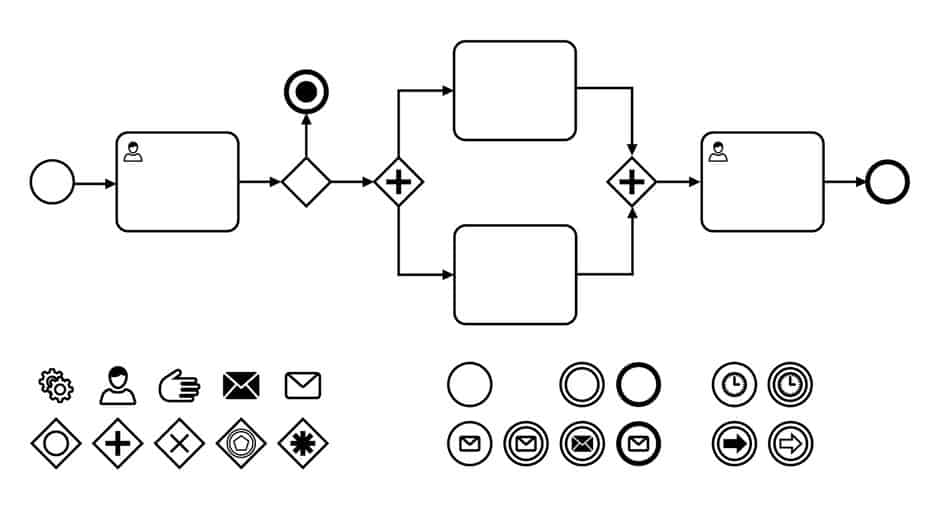
Do you feel like your team could be more efficient? Do you spend a lot of time discussing business process improvement, but never seem to make any progress? If so, process mapping may be the solution for you! Process mapping is a tool that can help teams visualise and improve their processes.
Process mapping is a critical skill for anyone who wants to streamline their business operations. But it can be tough to find a training course that covers all the basics.
Consider the following tips when choosing a process mapping training course that’s right for you – our recommendation below covers these key points:
- Make sure the course covers the basics of process mapping.
- Explains and covers an industry standard process notation.
- Choose a course that’s taught by an experienced instructor.
Table of Contents
What is Process Mapping?
Process mapping is a visual representation of a process. It can be used to document an existing process, or to design a new one. Process maps typically show the steps in a process, as well as who is responsible for each step. They can also include other information, such as decision points and inputs/outputs.
Why use Process Mapping?
Process maps are a valuable tool for teams because they can help to identify bottlenecks and inefficiencies in a process. They can also be used to communicate a process to others, or to document it for future reference. Additionally, process maps can be used as a starting point for process improvement initiatives.
How to Create a Process Map
There are a few different ways to create process maps. You can use a whiteboard or flipchart, or you can create them electronically using software such as Microsoft Visio. If you want to involve your team in the process mapping exercise, we recommend using a whiteboard or flipchart. This will allow everyone to contribute and see the process map as it is being created.
Once you have selected your method, you can start creating your process map. Begin by identifying the steps in the process, and then assign responsibility for each step. You can also add other information, such as inputs/outputs and decision points. Once you have finished creating the process map, be sure to review it with your team to ensure that everyone understands it.
What are the 4 Steps to Create an Effective Process Mapping?
Here are four steps to help you create an effective process map:
- Step one: Define the scope of the process. What are the boundaries of the process? This will help you to determine which steps need to be included in the process map.
- Step two: Identify the steps in the process. This can be done by speaking with people who are involved in the process, or by observing the process as it is being carried out.
- Step three: Assign responsibility for each step. Who is responsible for each step in the process? This will help to identify bottlenecks and potential areas for improvement.
- Step four: Review the process map with your team. This is an important step to ensure that everyone understands the process map and agrees with it. It is also a good opportunity to identify any improvements that could be made to the process.
Subscribe to Business Analyst Mentor – let us notify you when a new webinar or training course becomes available.